







.svg.avif)





Why do you lose minerals in intermittent fasting?
When you practice intermittent fasting, your body enters a state of mobilization of energy reserves. In the process, the kidneys remove more sodium than usual — a natural mechanism, but one that comes with a price. The result is the sensation known as “post flu”Symptoms: unjustified fatigue, dizziness in the morning, nocturnal muscle cramps, irritability and an inexplicable craving for salty foods. Many people abandon intermittent fasting precisely because of these symptoms, unaware that the solution is simple and convenient.
This is where Celtic salt comes in.
What makes Celtic salt special?
Celtic salt is not simply NaCl (sodium chloride). Its characteristic gray color comes from contact with clay in evaporation pools on the Atlantic coasts of France, and its moist, slightly sticky texture indicates the presence of natural magnesium — a mineral that ordinary salt, through refining, loses completely.
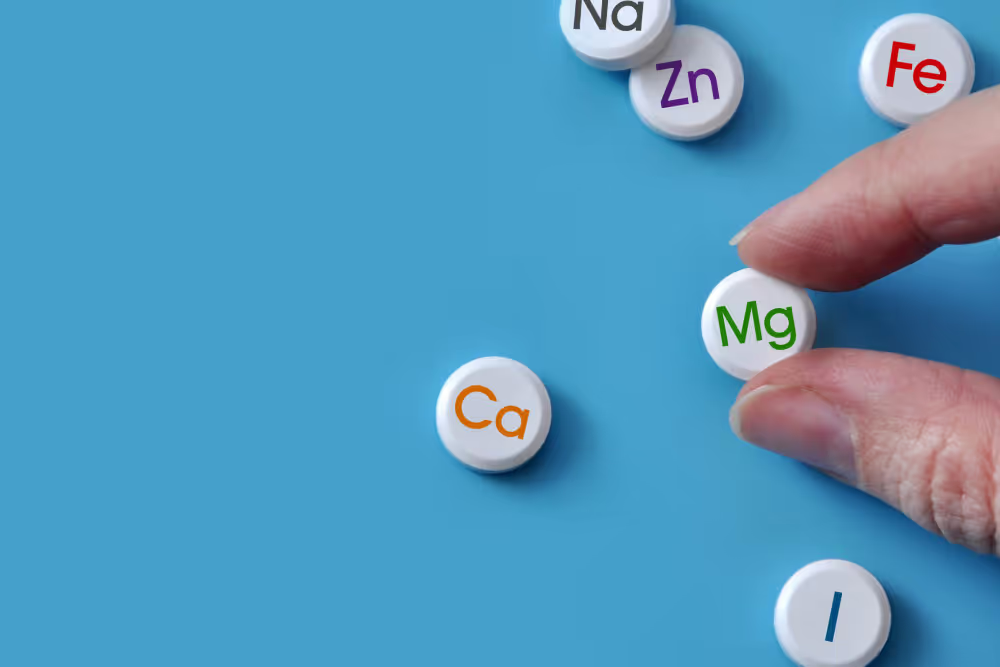
What makes it truly remarkable is exceptional mineral profile: Celtic salt contains 61 of the 62 minerals considered essential for the optimal functioning of the human body. These include sodium, magnesium, potassium, calcium, natural iodine, iron, zinc, sulfur, silicon, boron, and dozens of trace elements in bioavailable ionic forms — that is, forms that your cells can absorb and use directly without further processing.
Comparatively, ordinary table salt contains mainly pure NaCl (99.9%), artificially added iodine, and sometimes anti-caking agents of chemical origin.
Virtually everything that was valuable was removed in the process of industrial refining.
The role of each key mineral in intermittent fasting
- Sodiummaintains fluid balance and osmotic pressure of cells. In fasting, the first electrolyte lost is sodium — hence the feeling of “mental fog” and weakness.
- Magnesiumis involved in over 300 enzymatic reactions in the body, including energy production (ATP), muscle function, and sleep quality. Magnesium deficiency is extremely common in the general population and worsens during periods of fasting or ketogenic diet.
- Potassiumworks in tandem with sodium to regulate heart function and muscle contractions. Midnight cramps? Usually a clear signal that potassium has decreased.
- Calciumis not only “for the bones” — he actively participates in the transmission of nerve signals and the regulation of the heartbeat.
- Natural iodinesupports thyroid function — essential for metabolism, energy and fat burning, precisely the processes you activate by intermittent fasting.
How do you practically integrate it into your fasting routine?
The methods are simple and do not require additional investments:
- Mineralized morning water— Dissolve a pinch of Celtic salt in a glass of water at room temperature. Consume it immediately after waking up, in the fasting window. This “living water” does not break the fast, does not trigger insulin and gives you a quick dose of electrolytes that fight fatigue and the feeling of dizziness.
- In tea or warm waterA small grain of Celtic salt added to your morning tea (unsweetened) goes unnoticed in taste, but makes a difference in energy levels throughout the morning.
- At the first meal— Use Celtic salt exclusively in cooking instead of regular salt. Its coarse texture makes it ideal as finishing salt— added to vegetables, eggs or meat at the end, it releases intense flavors with less salt.
- DIY electrolyte solution— Mix water, Celtic salt, a splash of lemon juice and optionally a pinch of tartar cream (rich in potassium). This combination rivals any commercial electrolyte supplement at a fraction of the cost.
How do you use it in intermittent fasting?
A simple and effective trick: dissolve a pinch of Celtic salt in a glass of water in the morning in the fasting window. This “mineralized water” does not break fasting, but provides the body with essential electrolytes, reduces the feeling of hunger and fights mid-morning fatigue.
Celtic salt vs. Himalayan salt
Both are superior to refined table salt, but Celtic salt has a higher magnesium content and natural moisture content, while Himalayan salt excels in its iron content (which is why it's pink). For intermittent fasting, both are excellent — the choice is a matter of personal preference.
Caution!Even Celtic salt should be consumed in moderation. People with high blood pressure or kidney disease should consult a doctor before supplementing their sodium intake.

Theoretically, yes — your pizza now contains 84 minerals. Unfortunately, the 600 calories in the countertop and mozzarella remain totally unimpressed by your biohacking effort. Celtic salt is a supplement, not a moral graduation. Continue with the fast tomorrow morning. 😅
Comparative direct research is limited, but electrolyte science is solid. A study published in the Journal of the International Society of Sports Nutrition (2019) confirms that supplementing with sodium and magnesium during periods of caloric restriction or fasting significantly reduces symptoms of fatigue and muscle cramps.
Yes, absolutely. Celtic salt in small quantities (a pinch in water) does not trigger an insulin response and does not interrupt autophagy. It is, in fact, recommended in intermittent fasting communities precisely because it helps maintain electrolyte balance without calories.
















.svg)

